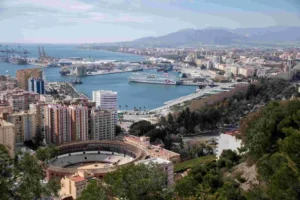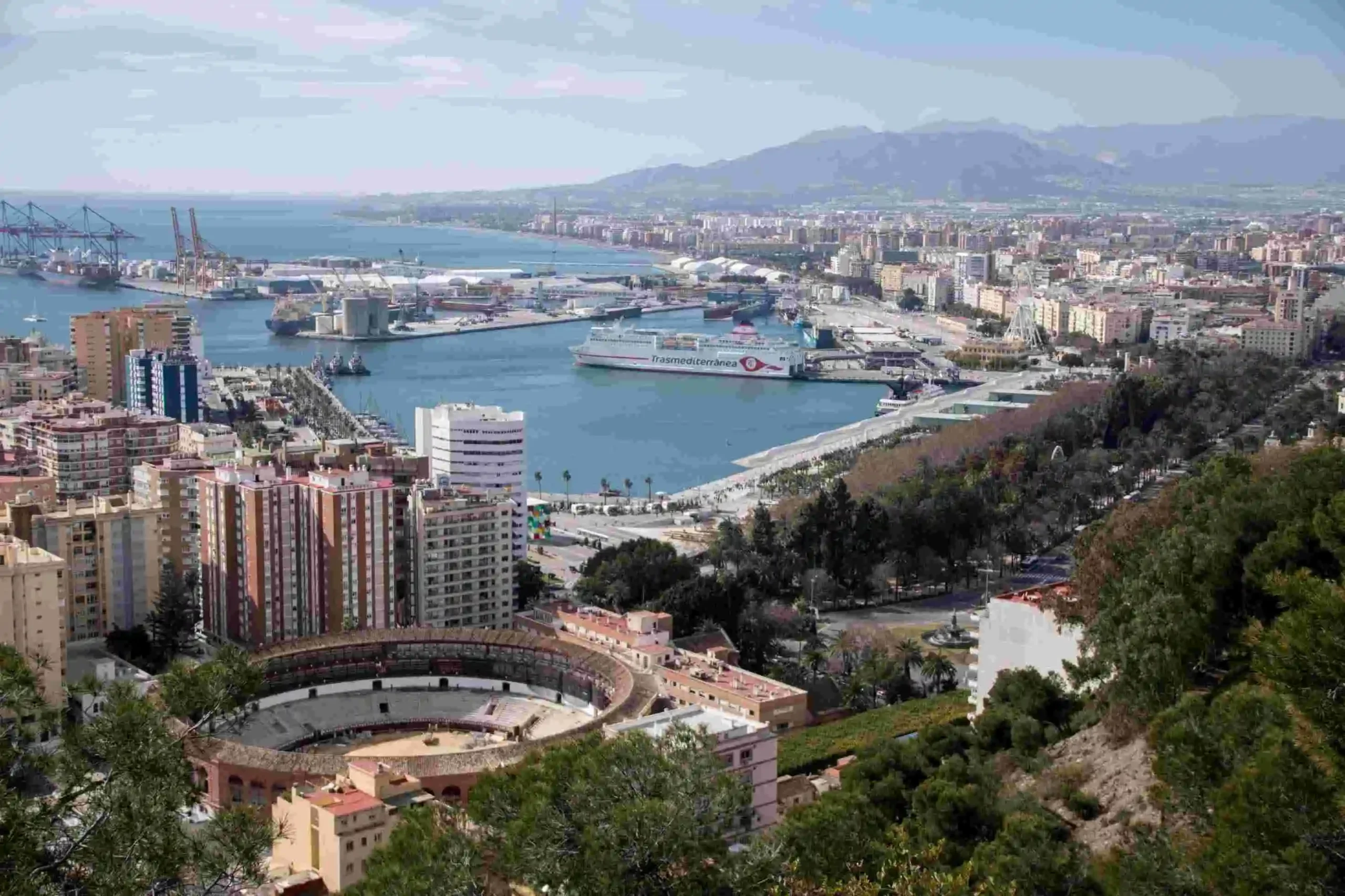
Searching for the best things to do in Malaga Spain usually leads to long attraction lists that do not help much once the trip becomes real. First-time visitors do not just want names of places. They want to know what is actually worth seeing, what order makes sense, how much can fit into one day, and how to move around Málaga without losing time. This guide answers that clearly, with a practical local-flow perspective shaped around real arrival patterns, sightseeing pace, and comfort. It is designed for travelers who want to enjoy Málaga well, not just tick boxes.
Málaga stands out because it combines major historic landmarks, strong museum culture, beaches, promenades, markets, and easy access to the wider Costa del Sol in one compact city. Spain’s official tourism information highlights the city’s blend of culture, sun, sand, Picasso heritage, urban art, and seaside appeal, which is exactly why it works so well for first-time visitors, couples, families, and short-break travelers.
A smoother trip usually starts before the sightseeing does. Travelers arriving late, landing at the airport, docking by cruise ship, or continuing toward Marbella often enjoy the city more when transport is already handled. That is where Marbecar’s private chauffeur, airport transfer in Malaga, and wider Costa del Sol coverage fit naturally into the trip without turning the day into a transport puzzle.
Brief About Malaga
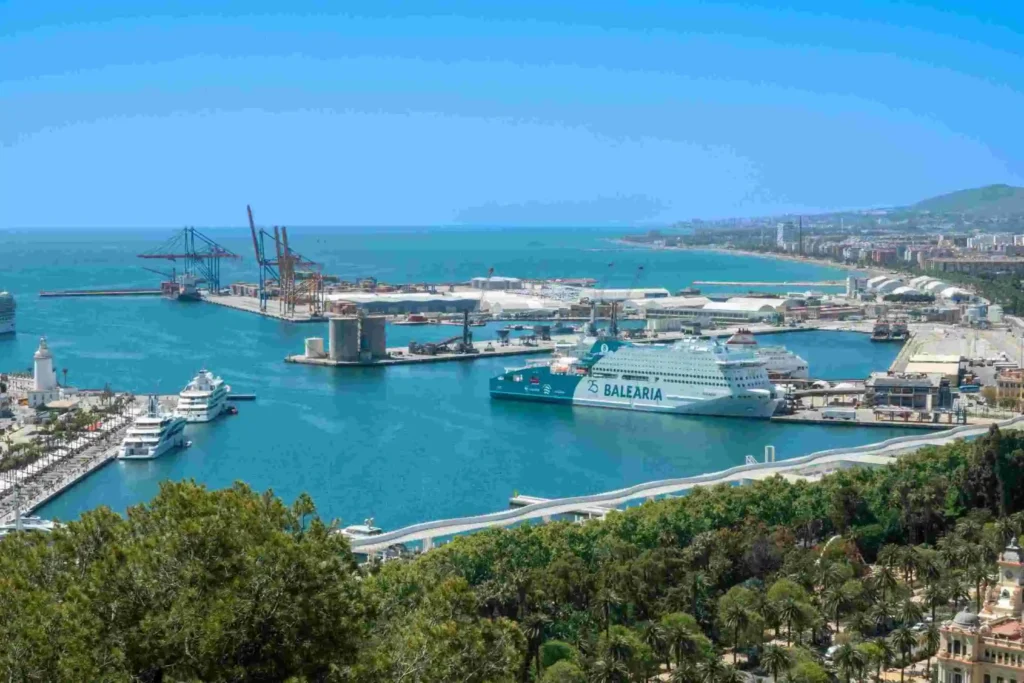
Málaga is a city in southern Spain and the capital of Málaga province in Andalusia. In 2024, it had a population of 592,346, making it the second-largest city in Andalusia and the sixth-largest in Spain. Located on the Costa del Sol along the Mediterranean coast, the city developed between Gibralfaro Hill and the Guadalmedina River, with much of its urban area also extending near the Guadalhorce River.
Where is Malaga?
Málaga is on Spain’s southern Mediterranean coast in Andalucía and serves as a main gateway to the Costa del Sol. It is well connected by air and train, making it easy to reach from Madrid, Barcelona, and many European cities.
Brief History of Malaga
Málaga is one of Europe’s oldest cities, founded by the Phoenicians around 800 BC. Over the centuries, Romans, Moors, and Christians all left their mark, which can still be seen in landmarks such as the Roman Theatre, Alcazaba, and Gibralfaro Castle.
Is Malaga Worth Visiting?
Yes, Málaga is worth visiting for its mix of history, culture, beaches, and food. The city is easy to explore, offers major attractions within walking distance, and combines coastal relaxation with museums, historic sites, and a lively dining scene.
Map of Malaga
Use this Málaga map to quickly locate key attractions, transport hubs, and places to eat, making it easier to plan your route and enjoy more of the city during your visit.
Why Visit Malaga, Spain in the First Place?
Málaga is worth visiting because it gives travelers more range than many city breaks of similar size. In one stay, visitors can explore Moorish fortifications, Roman remains, cathedral architecture, Picasso-linked museums, lively food spaces, palm-lined waterfront walks, and beach time. Official tourism sources describe Málaga as a city where culture and coast sit side by side, which is exactly what makes it such a strong choice for a short but rewarding trip.
For first-time visitors, that balance matters. Some people come mainly for history. Others want a beach-and-city mix. Others arrive for business and want a few memorable hours in the center. Málaga works for all of them because the main sights are concentrated enough to plan efficiently, while the wider region opens up easily for longer stays.
What Is Malaga Known For?
Málaga is known for the Alcazaba, Gibralfaro Castle, the Roman Theatre, Malaga Cathedral, Picasso’s legacy, beaches, and its role as one of the cultural anchors of the Costa del Sol. Spain’s official tourism materials also emphasize its promenade lifestyle, museums, and urban-art identity, especially in Soho.
Is Malaga Worth Visiting for a City Break?
Yes. Málaga is one of the easiest city-break destinations in southern Spain for travelers who want variety without spending half the trip in transit. A short stay can still include the main historic attraction zones, a museum, a market lunch, and time by the sea. That is why it works so well for international visitors who want clarity, comfort, and a good first impression of Andalusia.
Best Things to Do in Malaga for First-Time Visitors in the Centre
If the visit is short, the smartest strategy is to focus first on the central experiences that define the city. The strongest first-time version of Málaga usually includes one historic block, one cultural stop, one food stop, and one coastal or relaxed block.
A Quick Top 10 List of the Top Things to Do
- Visit the Alcazaba of Malaga
- See the Roman Theatre beside it
- Walk through the cathedral quarter
- Step inside Malaga Cathedral
- Explore the old town streets and plazas
- Visit the Picasso Museum
- Stop at Atarazanas Market
- Walk Muelle Uno and the port
- Spend time around Malagueta
- End the day with tapas and a rooftop drink
This is the most efficient answer for travelers looking for the top things to do without getting buried in side options. It keeps the trip centered around the city’s most rewarding zones and avoids wasting time bouncing between disconnected places.
Which Historic Landmarks and Top Attractions in Malaga Should You See?
The essential landmarks are the Alcazaba, Gibralfaro Castle, the Roman Theatre, and the cathedral. They are close enough to be grouped sensibly, and together they explain much of the city’s identity. The official Málaga monuments page highlights these four as the city’s distinctive historic monuments, which makes them the clearest starting point for a first visit.
Alcazaba: The Signature Moorish Attraction
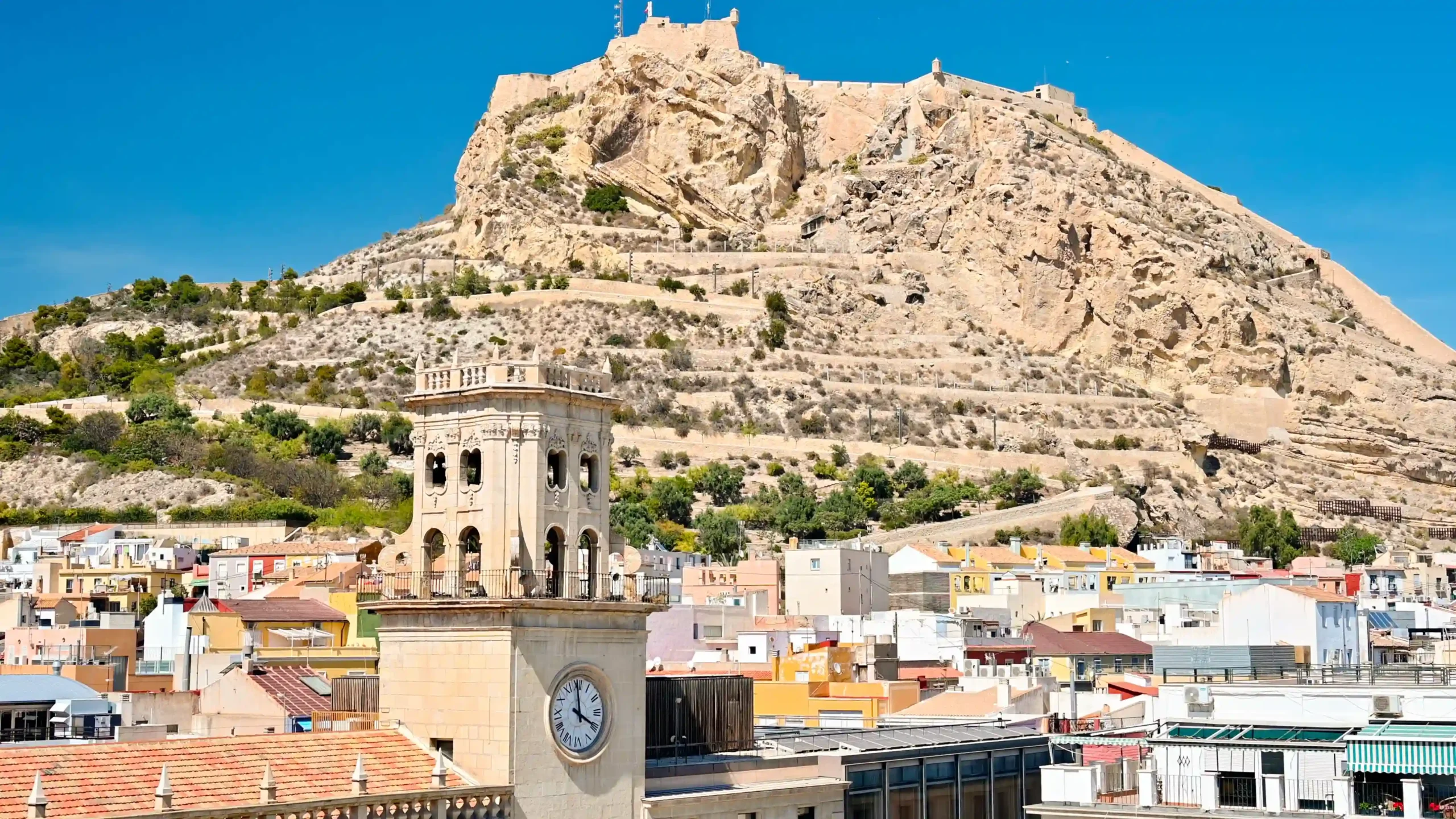
The alcazaba is one of the city’s defining sights and one of the most important preserved defensive complexes in Spain according to the official municipal monument site. It contains two walled precincts, entry fortifications, gardens, and layered vantage points above the lower city. For visitors, it is the clearest moorish landmark in central Málaga and one of the best introductions to the city’s long historical arc.
This is one of the best things to do because it gives both atmosphere and context. Visitors do not just see old stone walls. They understand how the city was defended, how the upper and lower areas relate to each other, and why the historic center sits where it does. The site also connects naturally with the Roman Theatre below, which makes the visit efficient.
Gibralfaro Castle and Views from the Top of the Hill
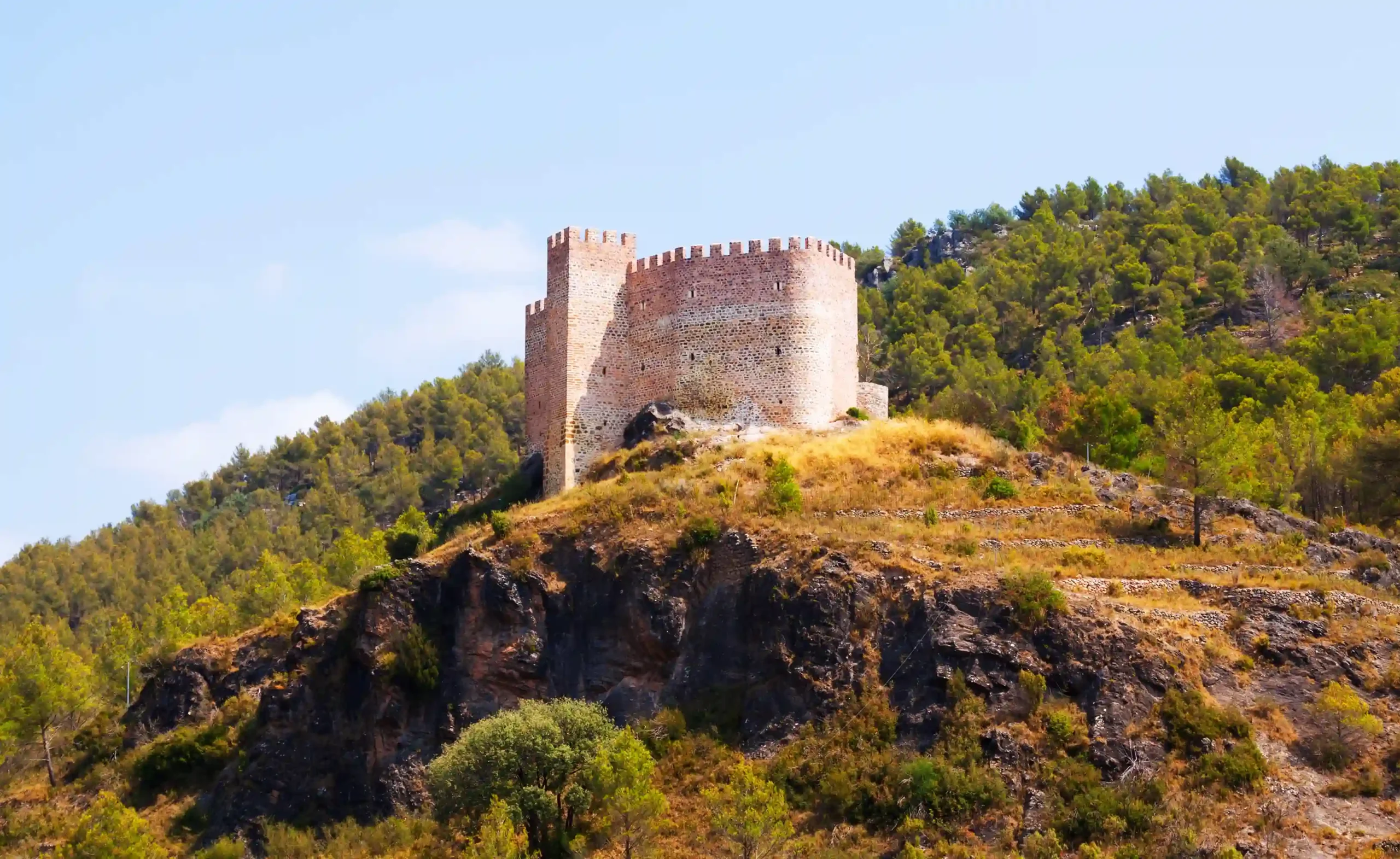
Gibralfaro Castle is the best stop for a higher perspective over the city, port, and coastline. It pairs naturally with the Alcazaba, but it asks more from the day because of the climb and the extra movement involved. The official monument and visiting pages connect Alcazaba and Gibralfaro as sister sites, and Spain’s tourism materials consistently frame the hilltop views as one of Málaga’s great visual rewards.
Travelers with limited time should decide early whether they want the panoramic payoff. If yes, build it into the itinerary on purpose. If not, keep the day concentrated lower down in the center and coast.
Roman Theatre of Malaga
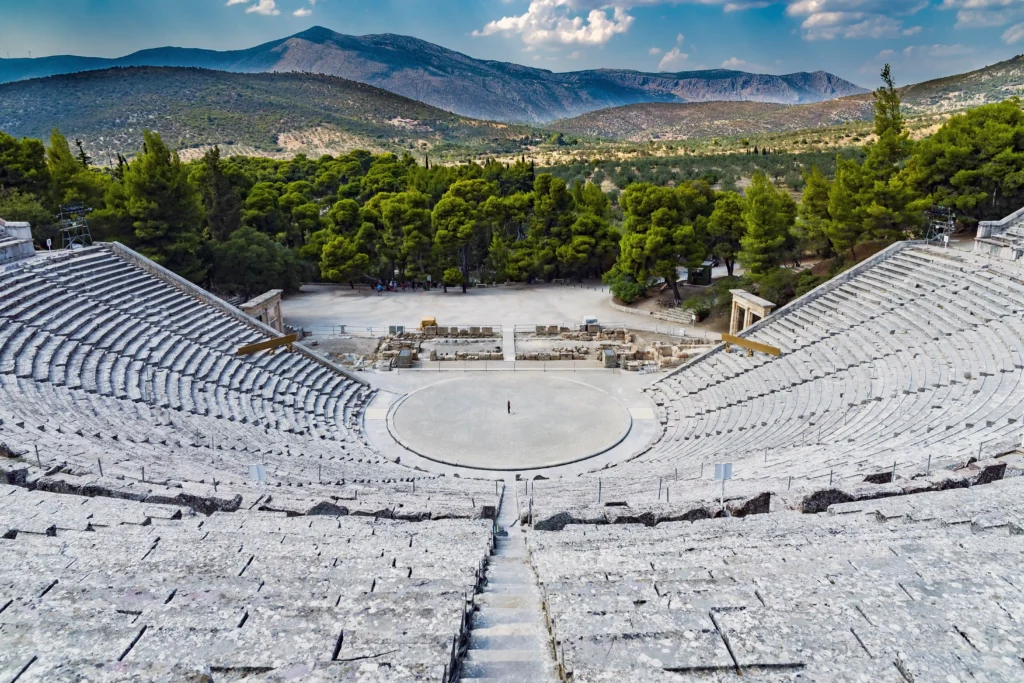
The roman theatre of malaga is a quick stop, but an important one. It adds another historical layer right beside the Alcazaba and is part of the city’s most efficient sightseeing cluster. Because it takes little time and sits next to a major landmark, it is one of the easiest wins for first-time visitors.
Malaga Cathedral in the Heart of Malaga City
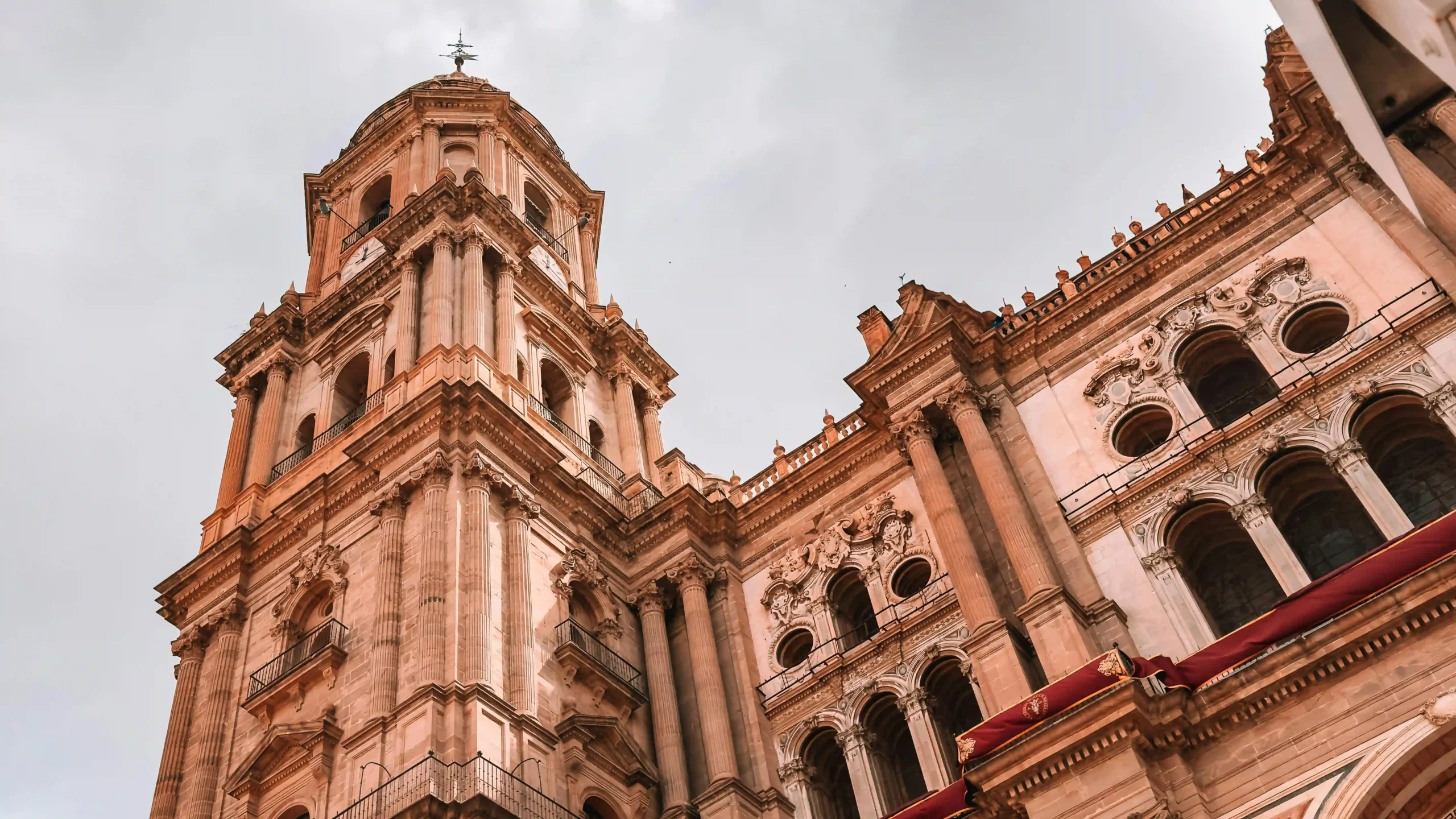
Malaga Cathedral, formally the Cathedral of Malaga, is one of the city’s main visual anchors and a central reference point inside the historic core. The official monuments page includes it among Málaga’s signature sites, and most first-time visitors find it worth including even on a tight schedule because of its scale, location, and architectural presence.
It also works well as a route anchor. Once travelers orient themselves around the cathedral area, the rest of the old core becomes easier to navigate.
Old Town, Plaza de la Merced, and Other Things to See in Malaga
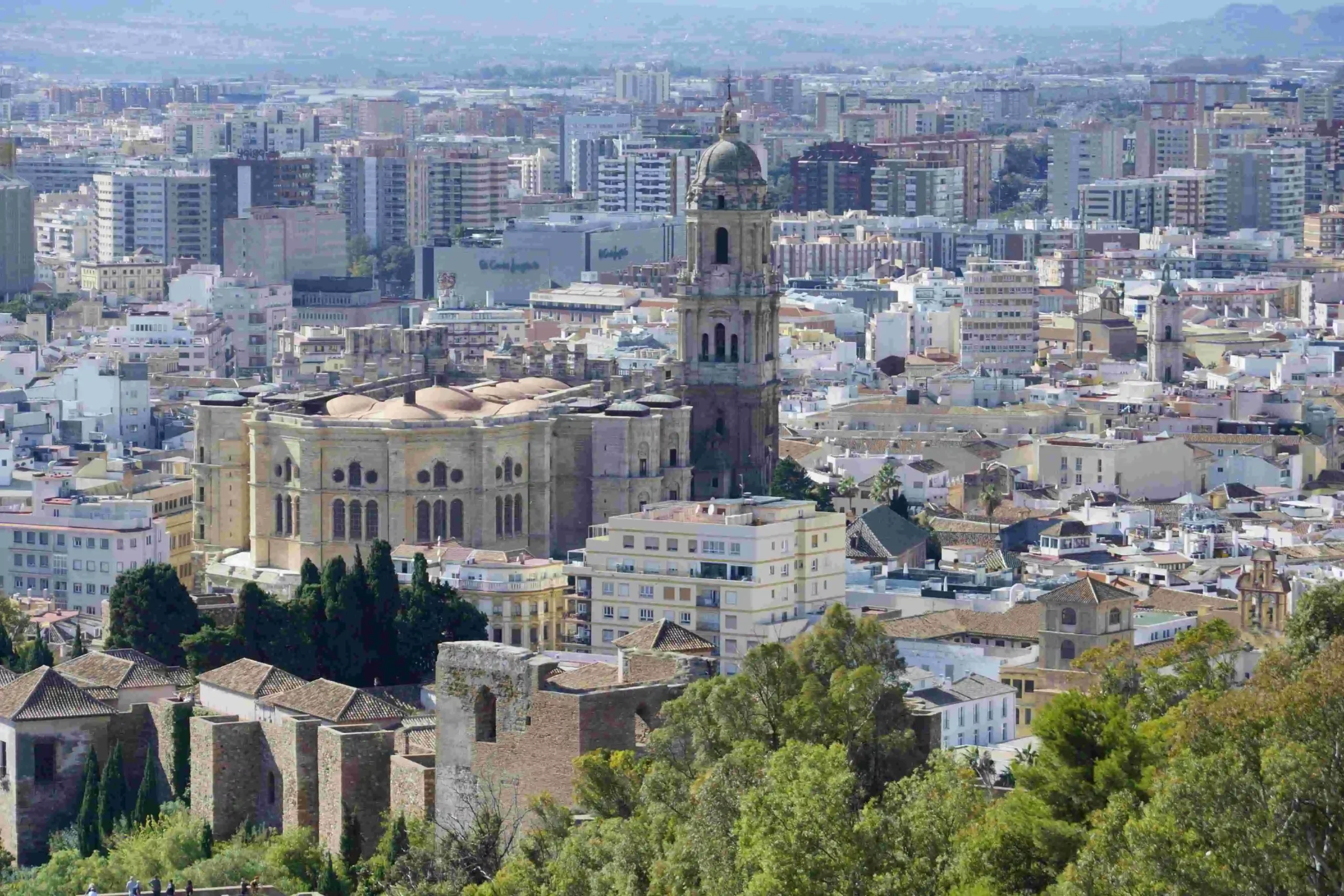
The old town is where Málaga becomes more than a checklist of monuments. Between the cathedral quarter, smaller streets, plazas, and café-lined routes, the city starts to feel lived in rather than staged for sightseeing. One of the most useful nearby spaces is Plaza de la Merced, which ties into Picasso’s story and sits naturally within a central walking route. Spain’s official tourism content also emphasizes Málaga’s street life and urban atmosphere as part of the city’s appeal, not just an extra around the monuments.
This is why some of the best moments happen between the headline sights. A short detour, a shaded terrace, or a quieter lane can do as much for the trip as another timed ticket.
Which Museums in Malaga Are Actually Worth Your Time?
Málaga has a strong museum identity, but first-time visitors usually do better with one or two smart choices than with an overloaded art schedule. The city’s museum offer matters because it broadens the trip beyond architecture and beaches, yet the best fit depends on interest and available time.
Picasso Museum and Why Picasso Was Born in Malaga Matters

The Picasso Museum is the most natural first museum choice for many travelers because Picasso’s connection to the city is part of Málaga’s identity. Spain’s tourism portal describes Málaga as “the Malaga of Picasso,” and the museum’s official site confirms it operates daily and remains one of the city’s core cultural institutions.
Even visitors who are not art specialists often include it because it feels place-specific. It is not just a museum that happens to be in the city. It helps explain why Málaga presents itself the way it does culturally.
Malaga Museum, Centre Pompidou Malaga, and Other Museums in Malaga
The Malaga Museum is a stronger fit for travelers who want archaeology and broader fine-arts context. Centre Pompidou Malaga suits visitors looking for something more modern and visually distinct. Spain’s official museum listings also point visitors from the Picasso Museum toward nearby cultural options like the Casa Natal and Pompidou, reinforcing how tightly the museum network is clustered.
For most first-time visitors, the best approach is simple: choose the museum that matches the day’s mood. If the day is already history-heavy, Picasso is usually the cleanest add-on. If it is hot and the goal is a calmer cultural block, a second museum can work well.
Food, Tapa Stops, and Restaurants in Malaga Worth Building Into the Day
Food is not separate from the Málaga experience. It is part of what makes the city memorable. Visitors who leave no room for a market stop or good tapas usually end up with a more rushed and less satisfying day.
Atarazanas Market
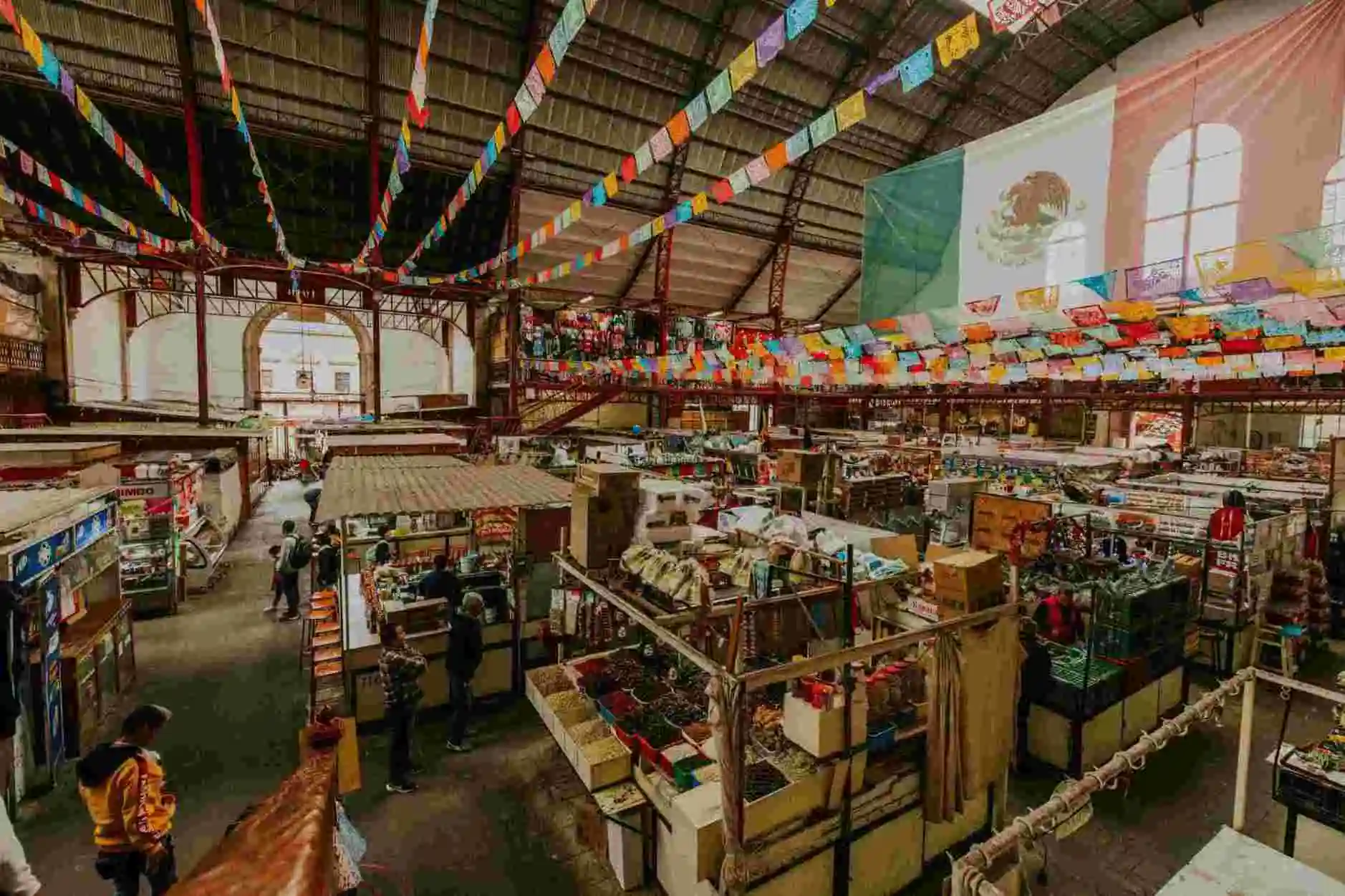
Atarazanas Market is one of the smartest food stops in the city because it combines rhythm, local atmosphere, and an easy meal window in the centre. Spain’s tourism coverage highlights markets and gastronomy as part of Málaga’s appeal, and this is the clearest place to feel that in one stop.
It works especially well after a cathedral or Alcazaba visit, when travelers want something lively but not formal. For many first-time visitors, it becomes one of the most useful non-monument stops in the trip.
Tapas, Rooftops, and Evening Plans
A few well-chosen tapa stops, followed by a rooftop drink or a slow dinner, often give the day its best closing rhythm. This is where central Málaga feels most social and relaxed. Travelers staying outside the center, returning to the coast, or arriving late often appreciate having the evening transport arranged in advance through Marbecar’s Malaga chauffeur services or meet and greet support, especially when the day includes luggage or changing locations.
Relaxed Top Activities: Malagueta, Port Walks, and the Centre of Malaga
Not every hour in Málaga should be tightly scheduled. Some of the city’s appeal comes from its slower side.
Malagueta and Malagueta Beach
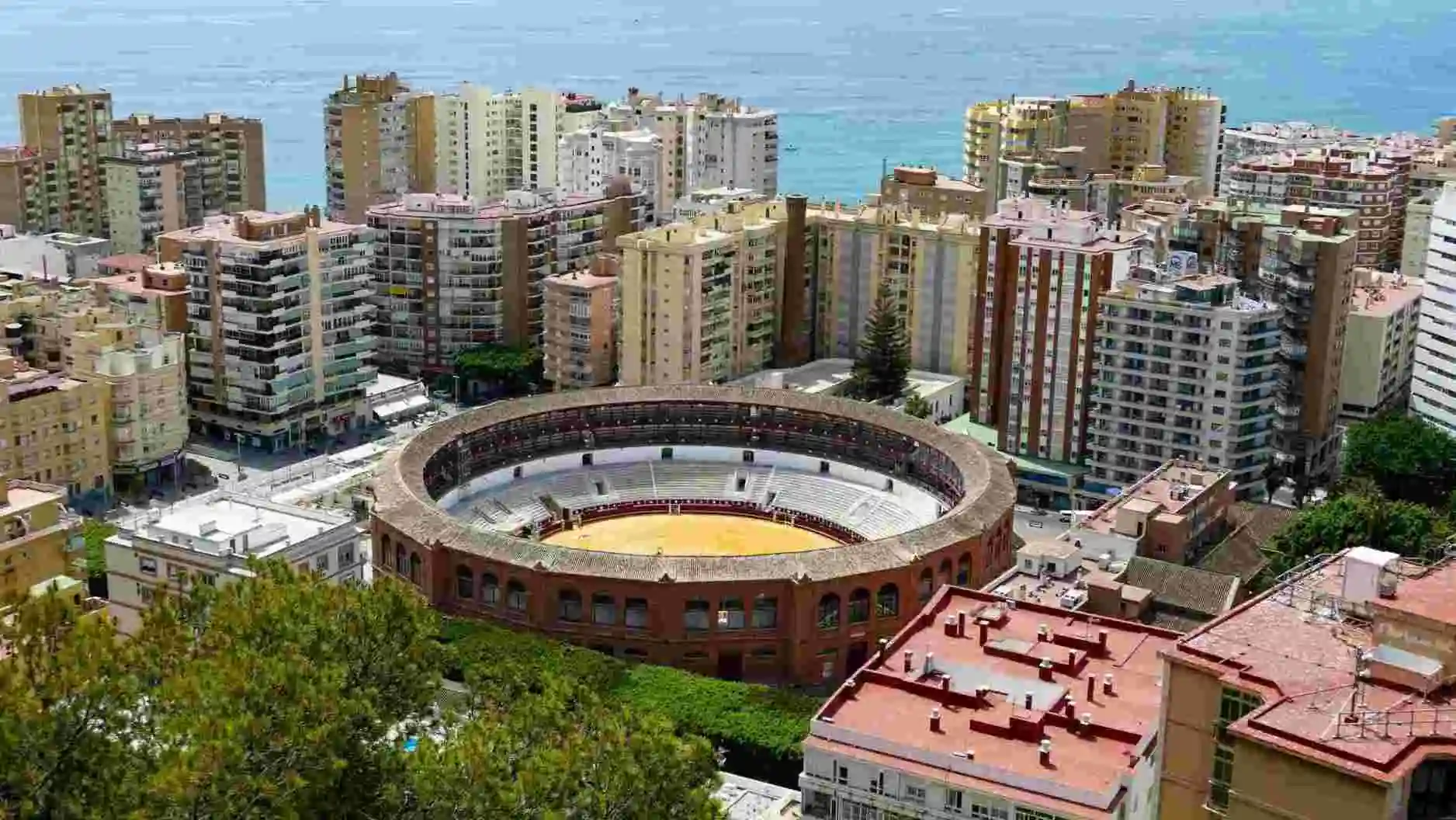
Malagueta and Malagueta Beach give the city its sea-facing release valve. Spain’s tourism materials emphasize Málaga’s beach and promenade appeal, and that matters even for visitors who did not come mainly for the coast. A short seafront walk or beach pause changes the pace of the trip and makes the city feel more complete.
For families, couples, and business travelers with limited time, this coastal block often works better than adding one more indoor stop.
Parque de Malaga, Soho, and Wandering Central Malaga
Parque de Malaga and Soho give visitors a softer urban layer to contrast with the fortifications and museums. Spain.info describes Soho as a central district and symbol of urban art and underground culture in Málaga, which makes it a good choice for travelers who want something less formal but still distinctly local.
This part of the day works best when it remains flexible. Wander, pause, and let the city breathe a little.
How Should You Explore Malaga Based on Your Travel Style?
Different travelers need different versions of the city. This is one of the biggest gaps in competing guides.
Couples and Leisure Travelers
Couples usually do best with a route built around views, dining, waterfront time, and a measured historic core. The Alcazaba, cathedral area, port, and evening rooftop plan work especially well together.
Families and First-Time Visitors
Families often benefit from one major historic site, one museum at most, then market or beach time. Overbuilding the day usually backfires once the heat, walking, and attention span realities kick in.
Cruise, Airport, and Business Travelers
This group needs efficiency more than breadth. A compact cathedral, Alcazaba, Roman Theatre, lunch, and port loop is often the best answer. If the visit begins right after landing, Marbecar’s airport transfer in Malaga and private driver options are often the easiest way to turn a short window into a usable city experience.
Luxury Travelers
Luxury travelers are usually not looking for more sights. They want a better-quality day. That may mean a later start, a curated museum stop, a refined lunch, a comfortable vehicle, and a smoother route into the wider coast.
One-Day and Two-Day Malaga City Itineraries That Actually Work
One-Day Malaga Travel Guide Route
Start with the cathedral quarter, then the Roman Theatre and Alcazaba. Take lunch at Atarazanas Market or nearby streets. In the afternoon, choose either Picasso Museum or a lighter port-and-beach continuation. If energy remains high, add Gibralfaro Castle. This route works because it keeps the historical cluster together, then shifts into food and coast rather than zigzagging across the city.
Two-Day Malaga Trip Plan
Day one should focus on the historic center, market, and evening dining. Day two can add Gibralfaro, a museum-led cultural block, Soho, and more time by the waterfront. This gives the trip better pacing and avoids the classic first-time mistake of compressing everything into one overfull day.
Half-Day Visit in Malaga for Tight Schedules
A half-day visit should stay disciplined: cathedral area, Roman Theatre, Alcazaba exterior or interior depending on time, then either the market or the port. That is enough to make the city feel worthwhile without forcing it.
Best Day Trip from Malaga: Marbella, Ronda, Mijas, and Beyond
The best day trip depends on the kind of contrast the traveler wants.
Marbella and Puerto Banus
Marbella and Puerto Banús are the strongest upscale coastal pairing. Marbella adds charm and polished old-town atmosphere. Puerto Banús adds marina energy and luxury-oriented coastal style. Travelers planning this extension often combine Málaga with Marbecar’s private driver Marbella, private driver Puerto Banus, or broader areas we serve coverage.
Mijas and Ronda
Mijas is easier and lighter. Ronda is more dramatic and demands more of the day. Both work well for travelers who want a strong Andalusian contrast to Málaga’s urban coast.
Nerja, Granada, Caminito del Rey, Tarifa, and Algeciras
Nerja suits visitors wanting more coast. Granada is the deeper cultural commitment. Caminito del Rey is best for active travelers who want a structured scenic day. For wider regional movement, Marbecar also covers private driver Tarifa and private driver Algeciras, which can matter for travelers extending toward Gibraltar or port routes.
Travelers continuing to Marbella may also find Marbecar’s Malaga Airport to Marbella transfer useful if Málaga is the gateway rather than the final base.
Arriving from Malaga Airport or Cruise Port? Start Here
Many guides assume travelers begin fresh from a hotel in the center. Real trips often start differently.
If You Are Arriving from Malaga Airport
If you land at Malaga Airport and want to sightsee the same day, keep expectations realistic. A late arrival, luggage, or family travel changes what is sensible. Often the best move is a direct transfer, check-in, then a shorter evening in the center.
If You Are Arriving from a Cruise Stop
Cruise travelers should focus on the compact core and avoid building a plan that depends on long transfers or uncertain timing. The city’s central monuments and port-side flow make this very doable if the route stays tight.
If You Have Luggage or a Same-Day Connection
This is where pre-planning matters most. Luggage turns a simple walking route into a constraint. Travelers in this situation often benefit from reducing the itinerary and keeping transport reliable from the beginning.
If your trip starts at Málaga Airport and you want to avoid delays, luggage stress, or last-minute transport decisions, pre-booking your transfer can make the day far easier. Marbecar’s car hire at Malaga Airport helps travelers move from arrival to hotel, city, or onward Costa del Sol destination with more comfort and better timing.
Getting to Malaga and the Smartest Way to Get Around Without Wasting Time
How visitors move around Málaga shapes the trip more than many first-time guides suggest. The city is walkable in parts, but a good day in Málaga often includes more than just the old center. Arrival point, luggage, weather, timing, and onward plans all affect which transport option actually makes sense.
Walking, Taxis, Parking, and Public Transport
Walking is excellent in the central core. Taxis are useful for short hops. Self-drive can help outside the center, but parking in central Málaga can add friction. Public transport can work, though it is usually less appealing for premium travelers or tightly timed days. Spain’s Málaga PDF guide also separates “getting around Malaga” as a distinct trip-planning topic, which reflects how important movement becomes once the sightseeing starts.
When Private Transport Makes the Most Sense
Private transport makes the most sense for airport arrivals, business visits, family schedules, luxury days, same-day coastal extensions, and evenings that end away from the hotel.
For travelers who want a more comfortable and reliable way to move through the city and beyond, Marbecar’s chauffeur services in Malaga offer a practical option for airport arrivals, sightseeing days, business travel, and private coastal journeys.
Best Premium Experiences in Malaga and Costa del Sol
Premium travel in Málaga is usually about better flow, not excess. A strong premium day may mean curated sightseeing, a quality lunch, a smooth transfer to a viewpoint, an elegant dinner reservation, and a coastal extension without stress.
Where Should You Stay in Malaga?
For most first-time visitors, staying near the historic center is the easiest answer. It keeps the cathedral, old-town streets, market, and many restaurants within easy reach. Travelers who care more about the coast, sea views, or a premium wider-base strategy may prefer staying outside the core, but then transport planning becomes more important.
Best Time to Visit Malaga and What to Book Ahead
Spring and autumn are often the most comfortable times to visit because walking the city is easier and the day remains flexible. Summer still works well, but earlier starts matter more. The busiest parts of the day usually feel better when the historic monuments are visited first, leaving indoor or coastal time for later.
Book ahead where timing matters: airport transfers, major museum visits, good dinner tables, and longer day trips. For practical questions beyond this guide, Marbecar’s FAQ is also useful for transport-related planning.
What to Do in Malaga – Frequently Asked Questions
What Is There to Do in Málaga for First-Time Visitors?
Visit the Alcazaba, Roman Theatre, cathedral, old center, Picasso Museum, Atarazanas Market, port, and Malagueta. That gives the strongest first-time mix of history, food, art, and sea.
Where Should Visitors Go in Málaga, Spain?
They should go first to the cathedral quarter, Alcazaba-Roman Theatre zone, Picasso-linked center, Atarazanas Market, Muelle Uno, and the Malagueta waterfront.
What Are the Best Places to Visit in Málaga?
The best places are the Alcazaba, Gibralfaro Castle, Roman Theatre, cathedral, Picasso Museum, Atarazanas Market, Soho, the port, and Malagueta.
What Are the Top 10 Things to Do in Málaga?
The top 10 are Alcazaba, Gibralfaro, Roman Theatre, cathedral, old-town walk, Picasso Museum, market lunch, Muelle Uno, Malagueta, and tapas in the evening.
What Are the Must-Do Experiences in Málaga, Spain?
Walk the historic center, visit the key landmarks, eat well, spend time by the water, and leave room for a museum or scenic high point depending on travel style.
What Are the Must-See Places in Málaga, Spain?
The must-see places are the Alcazaba, Gibralfaro Castle, Roman Theatre, Malaga Cathedral, Picasso Museum, Atarazanas Market, and the port-beach area.
Is Málaga, Spain Worth Visiting for a City Break?
Yes. It is one of the most practical and rewarding short-break cities in Spain because it combines culture, beaches, and easy layout in one place.
What Can You Do in Málaga City in One Day?
See the cathedral, Roman Theatre, Alcazaba, market, then either Picasso Museum or the waterfront depending on pace.
What Should You See in Málaga, Spain in One Day?
Prioritize the Alcazaba, Roman Theatre, cathedral, old center, and one additional cultural or coastal block.
What Are the Top Sights to See in Málaga?
The top sights are the Alcazaba, Gibralfaro Castle, Roman Theatre, cathedral, Picasso Museum, market, port, and Malagueta.
Summary: 15 Best Things to Remember Before Your Visit to Malaga
- Málaga works best when visitors group sights logically instead of moving randomly
- The city’s strongest appeal is its mix of history, museums, food, and coast
- Alcazaba, Roman Theatre, and Malaga Cathedral are the core historic priorities
- Gibralfaro Castle adds the best panoramic perspective, but it needs planning
- The old town matters as much as the headline monuments
- Picasso’s connection to the city makes the Picasso Museum a strong first museum choice
- Atarazanas Market is one of the most useful food and culture stops in the center
- Malagueta and the port help balance the trip with relaxed time
- One-day and half-day visits need discipline more than ambition
- Day trips are best chosen by time, effort, and travel style
- Marbella and Puerto Banús suit upscale coastal extensions especially well
- Airport arrivals and luggage change what is realistic on day one
- Walking is excellent in the center, but not always the smartest option for the whole trip
- Premium travelers often enjoy Málaga more with smoother pre-arranged transport
- Marbecar fits most naturally for airport arrivals, private city touring, day trips, and wider Costa del Sol planning